
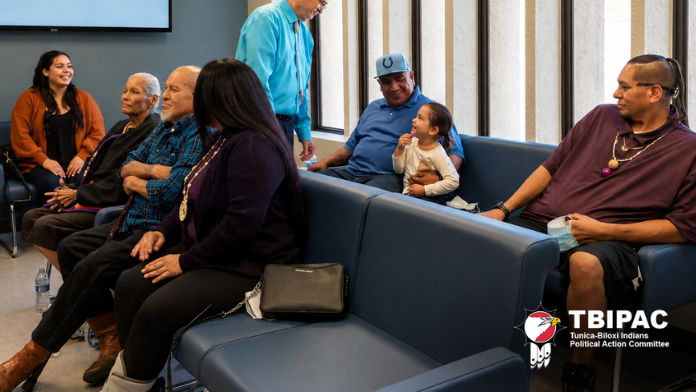
Tribal leaders from southern Arizona are voicing strong concerns over the Indian Health Service's proposal to close the Tucson Area Office and merge its operations into the agency's Phoenix office.
On June 1, 2026, leaders from the Tohono O'odham Nation, Pascua Yaqui Tribe, and other tribal communities joined elected officials in Tucson to publicly oppose the plan. They argue that the proposal was developed without meaningful tribal consultation and could negatively affect the government's ability to respond to local healthcare needs.
The Indian Health Service has described the move as part of an administrative realignment intended to improve efficiency and streamline operations. Tribal leaders, however, say the Tucson office plays an important role in maintaining direct communication and coordination between tribes and federal health officials.
Why the Tucson Area Office Matters
The Tucson Area Office serves tribes across southern Arizona and has long acted as a regional hub for coordination between tribal health programs and the federal government.
According to tribal leaders, the office provides:
- Local oversight of healthcare programs
- Coordination of federal resources
- Support for tribal healthcare systems
- Direct communication between tribal governments and IHS leadership
- Regional understanding of community health needs
Many tribal representatives say these functions cannot easily be replicated from a centralized office located hundreds of miles away.
Concerns Over Tribal Consultation
A major issue raised by tribal leaders is the federal government's trust responsibility to consult with tribes before making decisions that directly affect tribal communities.
Leaders from affected tribes have stated that they first learned about the proposal in late 2025 and were surprised by the speed at which the plan moved forward.
Several tribal officials have emphasized that consultation should be more than simply notifying tribes of a decision. They argue that tribal governments should have a meaningful opportunity to participate in discussions before major changes are implemented.
The issue has drawn attention from elected officials who have called for additional dialogue between federal agencies and tribal nations before any final decision is made.
Healthcare and Tribal Sovereignty
For many tribal leaders, this debate extends beyond the location of an office.
The discussion touches on larger questions about tribal sovereignty, federal trust responsibilities, and the government's obligation to provide healthcare services to Native communities.
Tribal governments operate and manage many healthcare programs through agreements with the Indian Health Service. Strong communication between local tribal health departments and federal officials is often viewed as essential to ensuring services meet community needs.
Leaders opposing the closure argue that maintaining regional offices helps preserve those relationships and ensures tribal voices remain part of healthcare decision-making.
Looking Ahead
At this stage, tribal leaders continue to call for additional consultation and reconsideration of the proposed consolidation.
The outcome could influence not only healthcare administration in Arizona but also broader discussions about how federal agencies work with tribal nations when considering organizational changes that affect Native communities.
As conversations continue, many tribal leaders are emphasizing a simple message: decisions impacting tribal healthcare should be made with tribes, not for them.